Other Briefings

China’s Quantum Technology: The 15th Five-Year Plan’s Push from Lab to Market
China’s 15th FYP identifies quantum technology as the leading future industry expected to drive new economic growth. With market size expanding and policy support widening, foreign investors face both growing opportunities despite tightening localization pressures.

Hong Kong Budget 2026-2027: Driving Growth Through Technology and Innovation
The latest fiscal blueprint charts a path to innovation-led growth while reinforcing the city’s position as a global financial and logistics hub.

China’s MIIT Introduces New Technology Contract Registration Requirements for 2026
China has released updated rules governing the recognition and registration of technology contracts. The new requirements, effective March 1, 2026, are a crucial step for companies to access tech-related tax incentives.

Setting Up a Family Office in Hong Kong
Hong Kong’s strategic location, robust financial infrastructure, favorable tax regime, and high quality of life make it an ideal destination for establishing family offices.

Annual IIT Reconciliation in China 2026: Appointment Booking Opens February 25
China’s annual IIT reconciliation for 2026 is split into two phases, with early filers advised to book appointments in the IIT app. This section outlines eligibility, key timelines, filing methods, and practical preparation steps.
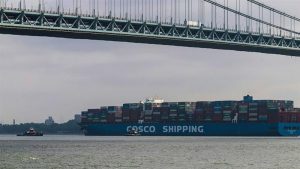
US Supreme Court Strikes Down Trump’s Tariffs – What it Means for the US-China Détente
The court’s decision curtails executive overreach in trade policy and could create a more stable tariff environment for businesses, but calls into question the the terms of the US-China trade agreement negotiated under the pretext of now-voided duties.
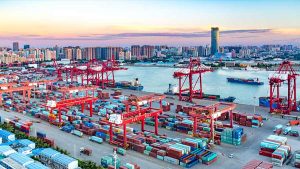
China’s New International Land-Sea Corridor: Implications for Supply Chains and ASEAN Trade
China’s New Land-Sea Corridor is becoming a commercially scalable route linking inland provinces with ASEAN and global markets. With rising cargo volumes and new policy support, the corridor offers businesses fresh opportunities for pilot shipments, financing improvements, and supply-chain diversification.

A Guide to Global Minimum Tax in Hong Kong – Understanding the Rules for MNEs (Part I)
Hong Kong has enacted its version of the OECD’s global minimum tax, reshaping compliance requirements for large multinational groups operating in or through the city. With the rules now in force, affected businesses must prepare for new reporting and top-up tax obligations.