

-

China Liquidation Process Explained: Key Steps to Close a Company Successfully
The liquidation process in China is the stage where a company settles its debts, taxes, and obligations before it can be formally deregistered, and getting it wrong can leave directors and shareholders personally liable.
-

China Manufacturing Tracker 2026
Our tracker provides continuous updates on key economic and growth indicators in China’s manufacturing industry. The data for June and July 2026 has now been updated.
-
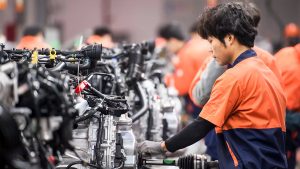
China Minimum Wage Standards 2026
This article offers a guide to minimum wages in the Chinese Mainland and discuss how labor costs are affected by changes to the minimum wage levels. The data is current as of June 2026.
-

Best Accountants in Hong Kong: A Guide for Foreign Investors
What makes an accountant the right choice for a foreign-invested company in Hong Kong? This guide explains what accountants in Hong Kong do, compares the main types of firms, from the Big Four to regional advisory practices.
-
China’s August 2026 Tax Brief: Foreign Dividend Relief Ends and VAT Compliance Tightens
This brief covers the six Auguste 2026 developments most relevant to FIEs operating in China and Hong Kong, each broken down into what has changed and why it matters, followed by a condensed round-up of other notable developments from the month.
-

China Issues New Organic Product Catalogue – Should You Certify Your Products?
China's updated organic product catalogue marks another step in standardising its certification system. As rules tighten and demand for organic products rises, companies should assess whether certification is worth pursuing for their products.
-
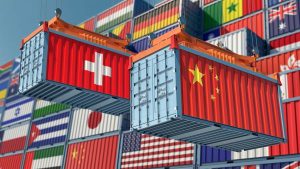
Switzerland-China Free Trade Agreement (FTA) Upgrade: What It Means for Business
The upgraded free trade agreement between Switzerland and China could significantly lower market-entry costs and expand opportunities for Swiss companies. With 99.8 percent of Swiss exports set to become duty-free, alongside broader investment access, sole ownership rights in key service sectors, and easier rules for digital trade and origin, businesses should start assessing where the agreement could reduce costs or support expansion.
-

Why Foreign Brands Should Register Trademarks in China Before Market Entry
Register trademarks in China before market entry to prevent bad-faith filings, protect brand ownership, secure enforcement rights, and avoid costly launch delays.