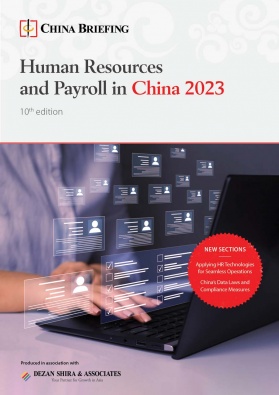
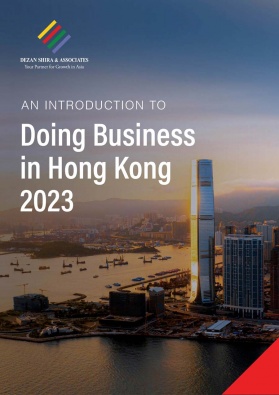
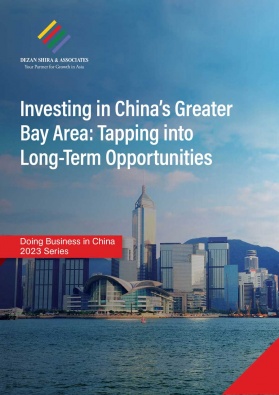
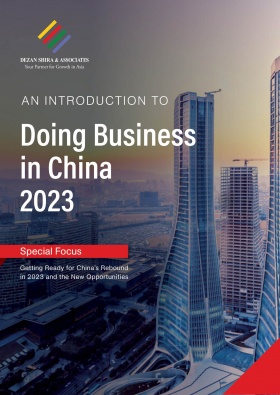
Written in China and read by professionals
in over 160 countries worldwide


China Briefing is a monthly magazine and daily news service about doing business in China. We cover topics relating to the Chinese economy, the market in China, foreign direct investment and Chinese law and tax. It is written in-house by the foreign investment professionals at Dezan Shira & Associates


Market Indexes

Shanghai

Shenzhen


China Plans to Alter Resource Tax Structure

May 24 – China plans to alter the tax structure on the profits made off energy products according to a work conference last Thursday in Xinjiang.

The new structure, which will first be tested in a pilot program in the province, will consider resource prices as a factor when levying taxes, compared to the current structure which is based on the actual output. Initial predictions suggest that the tax rate is likely to be 3 percent to 5 percent for resource products.

“It may still be two to three years before the government would be able to implement the reforms nationally,” said Lin Boqiang, director of the Energy Economics Research Center at Xiamen University.

Officials and analysts expect the reformed tax structure would focus on raising the tax rate and expanding the scope of resource products, such as minerals, land, plants and water in addition to oil and gas.

The government may also include other eligible provinces and regions for the early trial program, such as Shanxi Province and the Inner Mongolia autonomous region, which boast an abundance of natural resources. It suggests that the new tax reform will improve the efficiency of natural resource extraction and protect the environment, but also will increase the cost of resource products and could potentially lead to price hikes.

This entry was posted in Finance, Tax and Accounting, Legal and Regulatory, Oil & Petroleum, West China. Bookmark the permalink.

One Response to China Plans to Alter Resource Tax Structure

  1. Contrary to popular Western belief, China is dead serious about the environment: it is set to become the world’s biggest wind farmer, did an environmental impact study for the rail link to Lhasa and oodles more. That said, loads remains undone so far.

    China is the biggest CO2 polluter? Only in absolute terms. On a per capita basis, the USA leads the pack by a longshot.

    I’ve been living in Zhengzhou, a particularly polluted city. It’s still far from the quality of northern Sweden (though Chernobyl cesium still lingers there) but I’ve seen tangible improvement in terms of smog and tapwater quality.

    Yes, there are tax issues. Some 30% to 40% of GDP is from SOE but this figure ignores lots of SME which are still only “encouraged” to step out of the grey economy at present — clearly Beijing needs, and firmly intends, to broaden its tax base.

Leave a Reply

Your email address will not be published. Required fields are marked *

*

You may use these HTML tags and attributes: <a href="" title=""> <abbr title=""> <acronym title=""> <b> <blockquote cite=""> <cite> <code> <del datetime=""> <em> <i> <q cite=""> <strike> <strong>


Dezan Shira & Associates provide a range of services for companies looking to undertake foreign direct investment into Asia, These include corporate establishment, accounting, tax, payroll, audit and due diligence. To learn more about the firm, please contact one of our specialists at china@dezshira.com, download our corporate brochure or visit at us www.dezshira.com


Dezan Shira & Associates, Twenty years of Excellence

The Asia Briefing Bookstore

Our best selling legal, financial, tax and regional guides to Asia business, industry reports and more…
Click here to view all titles now

China Briefing Book Store China Briefing Book Store China Briefing Book Store China Briefing Book Store China Briefing Book Store China Briefing Book Store China Briefing Book Store China Briefing Book Store China Briefing Book Store

NOW AVAILABLE IN PDF