Other Briefings
We cover the latest economy and trade, legal and tax updates, industry insights, and HR and payroll news that are most relevant to doing business in China. Here are our top China news summaries.

Shanghai Lingang New Area Releases Whitelists for Data Export, Facilitating Cross-Border Data Flows
Shanghai’s Lingang New Area has released general data lists that will facilitate data export for companies in the automotive, biopharma, and mutual fund sectors.

Tianjin Free Trade Zone Releases China’s First Negative List for Cross-Border Data Transfer
The Tianjin Free Trade Zone has released China’s first data Negative List outlining the types of data that must undergo a security review by China’s cybersecurity bureau to be transferred out of China.

China’s New Measures to Support Foreign Investment in Sci-tech Firms
China seeks to attract sci-tech foreign investment by relaxing rules, fostering partnerships, and enhancing the investment climate.

Shenzhen’s Qianhai Cooperation Zone Expands Preferential IIT and CIT Policies
The Shenzhen Municipal Tax Bureau, Shenzhen Municipal Finance Bureau, and State Tax Administration have issued two notices broadening tax incentives for individuals and companies in the Qianhai Cooperation Zone.
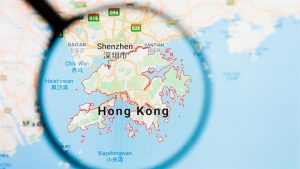
Entering Hong Kong: Operational Roadmap for Chinese Mainland Enterprises
Hong Kong continues to play a critical role for Chinese Mainland enterprises pursuing internationalization and cross‑border growth. This article provides a structured overview of the operational steps, regulatory considerations, and strategic advantages of establishing a presence in Hong Kong.

Breaking Down the US-China Trade Tariffs: What’s in Effect Now?
The current landscape of US-China tariff rates is complex, with multiple overlapping trade measures in effect. This article explains which tariffs apply in 2025 and how they intersect.

US-China Relations in the Trump 2.0 Era: A Timeline
On March 23, 2026, the US Federal Communications Commission updated its Covered List to include foreign-made consumer routers, preventing new models from receiving FCC equipment authorization and thereby banning them from being imported or sold in the US.

China’s New GAC Overseas Food Manufacturer Registration Rules: What Exporters Need to Know Before June 1, 2026
China has released the detailed implementation rules for Decree No. 280, fundamentally reshaping the overseas food manufacturer registration system. Overseas food exporters face new compliance obligations affecting renewals, declaration filings, and registration pathways from June 1, 2026.

How Foreign Investors Can Set Up a Company in China Entirely Online
Shanghai has launched China’s first fully online foreign‑invested enterprise registration using cross‑border digital identity authentication, marking a major step in reducing administrative barriers for overseas investors.

China’s Economy Begins Year on Strong Footing – But Will Momentum Hold?
China’s economy rebounded in January and February 2026, with soaring foreign trade and strong performance in high-tech manufacturing – but weak domestic demand and declining private investment point to an uneven recovery.

Hong Kong’s Evolving Double Tax Agreement (DTA) Network 2026
Hong Kong’s double tax agreement network has reached a new milestone, with fresh treaties and active negotiations shaping the 2026 outlook. Understanding how Hong Kong’s DTAs work is essential for investors and multinationals planning cross-border operations.

How Can Expats Complete Annual IIT Reconciliation in China?
Foreign individuals in China must complete annual IIT reconciliation if they meet residency thresholds. This article explains the main reconciliation methods and practical considerations for expatriates.