

-

Trademark Protection in China: Why Legal Victory Is Only Part of the Strategy
Louis Vuitton's trademark victory over Chinese tea chain Molly Tea was legally sound yet triggered a massive consumer backlash. Set against nearly 1,700 enforcement actions in five years, the case shows why foreign brands in China need an integrated trademark strategy.
-

The Cost of Starting a Business in China: How Foreign Investors Should Budget
The cost of setting up a company in China varies depending on the city, sector, operating model, staffing plan, and licensing requirements. This guide helps foreign companies identify the major cost drivers and prepare for a tailored establishment assessment.
-

How to Choose the Right Accounting Firm in Hong Kong: A Guide for Foreign Investors and SMEs
A practical guide to selecting an accounting and audit firm in Hong Kong, covering firm tiers, typical fees, and how to match a provider to your business.
-
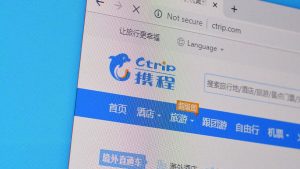
Ctrip Fined RMB 10 Million for Illegally Exporting Personal Data – Lessons for Foreign Companies
The fine marks the largest penalty for illegal export of personal information issued to date. We break down what happened, why the fine was so severe, and how foreign companies can avoid making the same mistake.
-

EU Forced Labour Regulation: What FIEs in China Need to Know
The EU's new forced labour regulation guidelines widen scrutiny of supply chains. Learn what FIEs in China should do to prepare.
-

Why Hong Kong Bank Account Applications Are Rejected (Part 2): Preparing a Successful Application
Hong Kong banks reject account applications for a recurring set of reasons – documentation gaps, unverifiable funds, high-risk business models, and weak regional ties. In Part 2 of this two-part series, we set out the documentation banks expect, compare traditional banks, digital banks, and fintech platforms on onboarding and timelines, and outline the practical avenues available to businesses after a refusal.
-

China’s GDP Expands 4.7% in H1 2026: How to Read It
China's economy grew 4.7% in H1 2026. Explore key trends in GDP, manufacturing, consumption, trade, and opportunities for foreign investors.
-

How to Deregister a Company in China: A Guide for Foreign Investors
Knowing how to deregister a company in China is essential for any foreign investor planning an orderly exit, as the process runs through dissolution, liquidation, and final cancellation across several government agencies.