Other Briefings
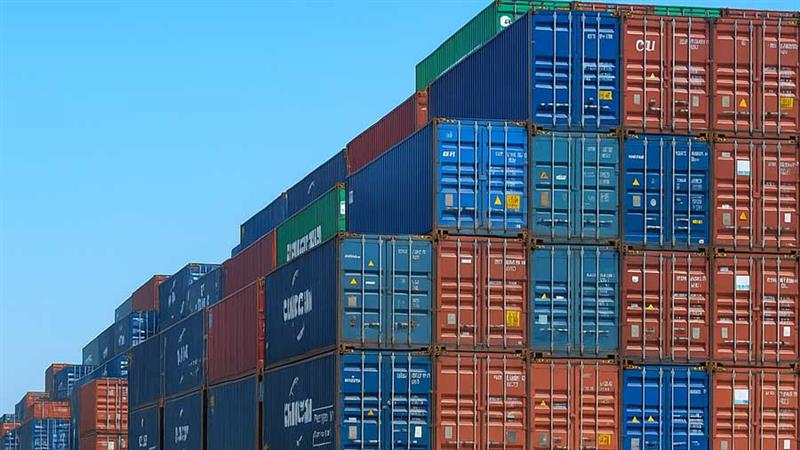
US and China Reach Trade Concessions Following Trump-Xi Meeting: Outcomes and Implications
The meeting in Busan produced a series of trade de-escalation measures, including tariff reductions and the suspension of rare earth export controls and port fees, offering temporary relief to businesses.
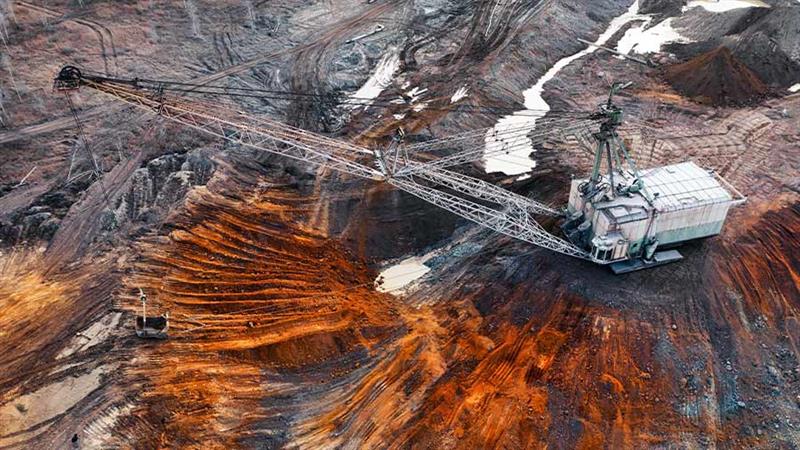
How Will China’s Rare Earth Export Controls Impact Industries and Businesses?
China has imposed new restrictions on the export of certain rare earth products, extending oversight to items produced abroad using Chinese technology and materials, potentially further disrputing global supply chains.

China-Sweden Economic Relations: Trade, Investment, and Opportunities
China and Sweden are each other’s largest trading partners in Asia and Northern Europe, with notable Swedish exports including pharmaceuticals, machinery, and transport equipment.

Avoiding Origin Violations: How Foreign Businesses in China Can Legally Route Goods Through ASEAN and Beyond
To avoid origin violations, foreign businesses sourcing from China can legally route goods through ASEAN by ensuring substantial transformation, accurate origin labeling, and thorough documentation.

How Are Tariffs Impacting Chinese Exports to the US?
Chinese exports to the US have dropped significantly in 2025 as Trump's tariffs begin to bite. We examine the latest trade data and discuss the possible trajectory of US-China trade.
Rare Earth Elements: Understanding China’s Dominance in Global Supply Chains
China accounts for the vast majority of the world's production and processing of rare earth elements, giving it vital leverage in trade negotiations. We explore China's leading position in the sector and discuss how companies can navigate supply chain risks.

US-China Tariff Truce Extended Another 90 Days: Implications for Businesses
On August 11, 2025, the US–China tariff truce was extended for another 90 days, halting planned tariff hikes and providing businesses short-term stability.

August 12 Deadline: Will Trump Extend the US-China Tariff Truce or Let Rates Spike?
With just one day to go until the 90-day tariff pause expires, Trump has yet to decide on an extension. As businesses brace for impact, we discuss the possible outcomes and the issues stymying a lasting agreement.
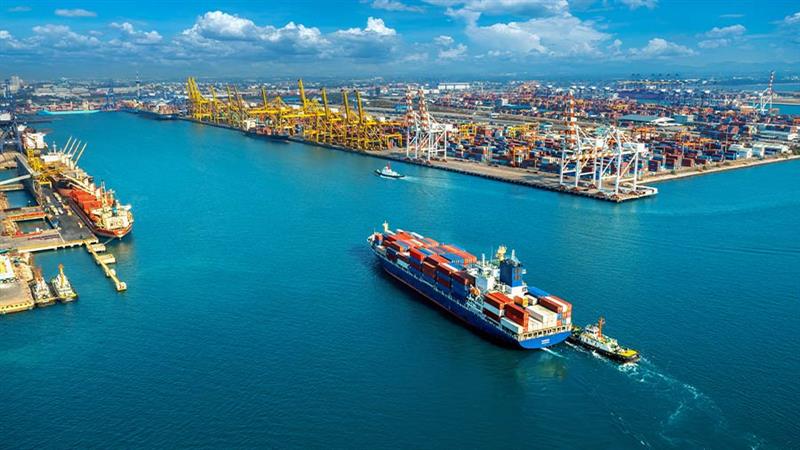
How US Tariffs on Southeast Asia Could Impact China’s Regional Exports
Trump is stepping up efforts to block Chinese transshipments through Southeast Asia by pushing regional trade terms that limit reexports to the US. We look at how much of China’s trade with the region is driven by real demand versus US-bound rerouting, and what impact new tariffs could have.

China’s Economy in H1 2025: GDP, Trade, and FDI Highlights
China’s economy grew 5.3 percent year‑on‑year in H1 2025, driven by robust industrial output, export strength, and targeted investment.
China-Australia Economic Ties: Trade, Investment, and Latest Updates
On October 10, the Australian government announced that it has agreed on a timetable with China for the full resumption of Australian live rock lobster exports by the end of 2024.

China-Malaysia Closer Economic Ties and Opportunities
China has been Malaysia’s largest trading partner for 15 consecutive years. With its advantageous geographical location, lower transit costs, and favorable trade policies, Malaysia has increasingly become an ideal hub for Chinese investments.

DEZAN SHIRA & ASSOCIATES
Meet the firm behind our content. Visit their website to see how their services can help your business succeed.
About Us Find an Advisor
Want the Latest Sent to Your Inbox?
Subscribing grants you this, plus free access to our articles and magazines.
SUBSCRIBEGet free access to our subscriptions and publications
Subscribe to receive weekly China Briefing news updates, our latest doing business publications, and access to our Asia archives.
Sign Up Now